

Bug Removal Service in Katy, TX
Bug removal services focus on eliminating unwanted insects such as ants, spiders, roaches, and other pests that can invade residential properties. These services typically cover a range of projects including the treatment of indoor spaces, perimeter barriers, and outdoor areas to prevent future infestations. Property owners often seek these services when they notice signs of pests, experience recurring issues, or want to protect their homes from potential damage and health concerns associated with insects.
Before requesting bug removal services, homeowners usually want to understand the scope of treatment, the methods used, and any precautions they should take afterward. It’s also common to inquire about the types of pests covered, the frequency of treatments needed for ongoing protection, and any potential impacts on pets or children. Clear communication about these aspects helps ensure that property owners are well-informed and comfortable with the pest management process.
Many property owners in Katy, TX look into Bug Removal Service for repairs, replacements, upgrades, and appearance-related improvements.

Common Bug Issues
Identifying and addressing common pests like ants, roaches, and spiders in residential and commercial properties.
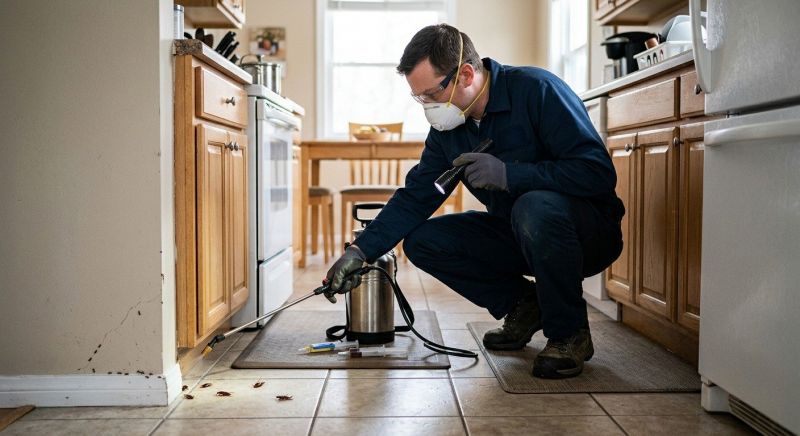
Effective Removal Methods
Utilizing proven techniques to eliminate bugs and prevent future infestations in homes around katy, tx.
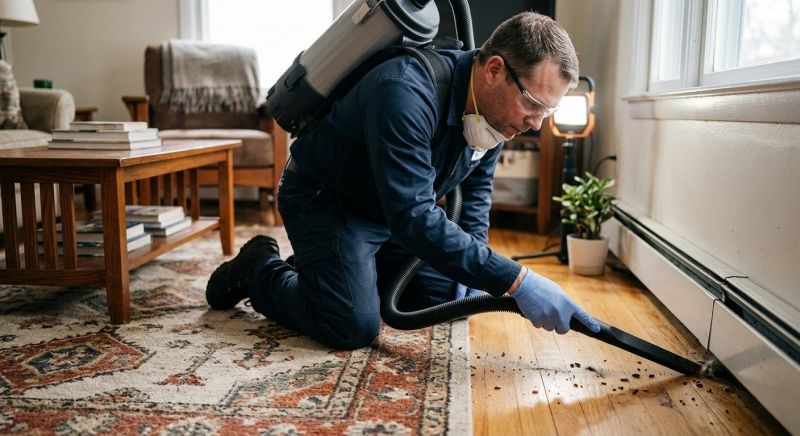
Preventative Solutions
Implementing strategies to keep bugs out of living and working spaces for long-term peace of mind.
Bug Removal Service in Katy, TX

Bug removal services focus on eliminating unwanted insects such as ants, spiders, roaches, and other pests that can invade residential properties. These services typically cover a range of projects including the treatment of indoor spaces, perimeter barriers, and outdoor areas to prevent future infestations. Property owners often seek these services when they notice signs of pests, experience recurring issues, or want to protect their homes from potential damage and health concerns associated with insects.
Before requesting bug removal services, homeowners usually want to understand the scope of treatment, the methods used, and any precautions they should take afterward. It’s also common to inquire about the types of pests covered, the frequency of treatments needed for ongoing protection, and any potential impacts on pets or children. Clear communication about these aspects helps ensure that property owners are well-informed and comfortable with the pest management process.
Many property owners in Katy, TX look into Bug Removal Service for repairs, replacements, upgrades, and appearance-related improvements.
Common Bug Removal Service Jobs
Kitchen bug removal - eliminates pests like ants, cockroaches, and pantry insects from food preparation areas.
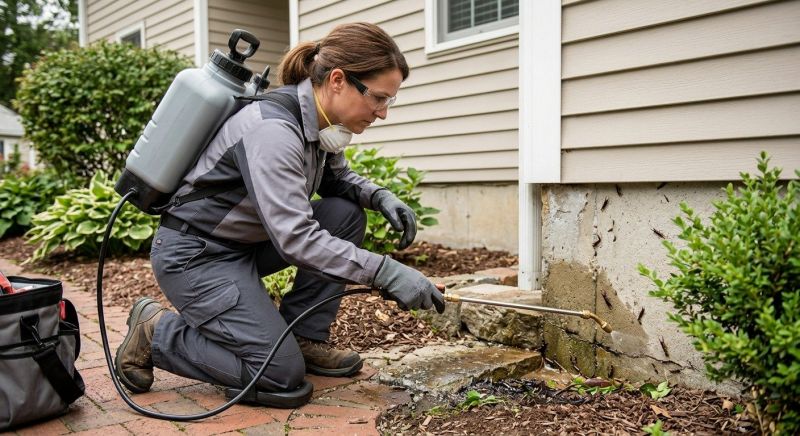
Garden pest control - manages insects and pests that threaten plants and outdoor spaces.
Attic and wall pest removal - targets pests hiding in hard-to-reach areas within the home’s structure.
Rodent exclusion services - seals entry points to prevent mice and rats from entering the property.
Bed bug treatment - eradicates bed bugs from bedrooms and furniture for a restful sleep.
Infestation cleanup - removes pests and debris resulting from severe pest problems.

Bug Removal Service Questions
What types of bugs can be removed? Common pests such as ants, roaches, spiders, and termites are typically addressed with bug removal services.
How does bug removal improve property conditions? Removing bugs helps prevent damage to structures and reduces health risks associated with infestations.
Are treatments safe for homes and families? Yes, treatments are designed to target pests effectively while ensuring safety for residents and pets.
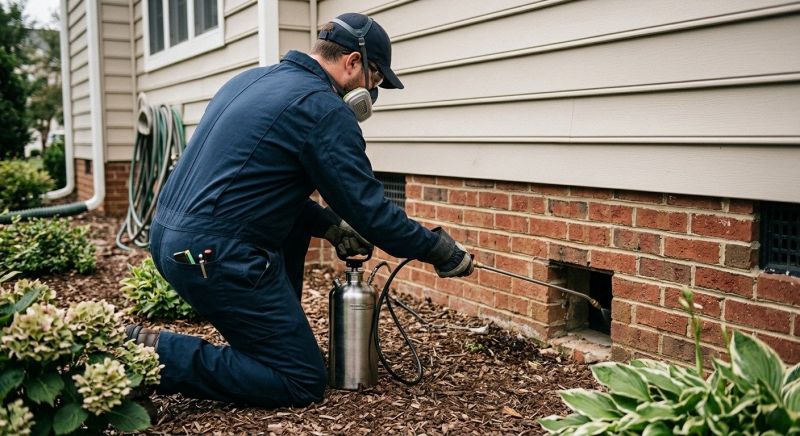
What areas are covered by bug removal services? Services generally cover interior spaces, basements, attics, and exterior perimeter areas around properties.
Request Bug Removal Service in Katy, TX
Use the quote form on this page to share the basics of your project and request more information for the type of work you need.